
 Dra. Lisbania Peguero

Patients ask for them by name. They saw them on social media, a friend had them placed, or they read that they "give you back the energy of your thirties". The first thing I do is slow things down a little: pellets are not a beauty product or a supplement. This is hormone therapy, and like all hormone therapy it starts with a blood test, not with a decision already made.
It is not prescribed because of what the brand name says. It is prescribed because of what your hormone levels say.
What it actually is
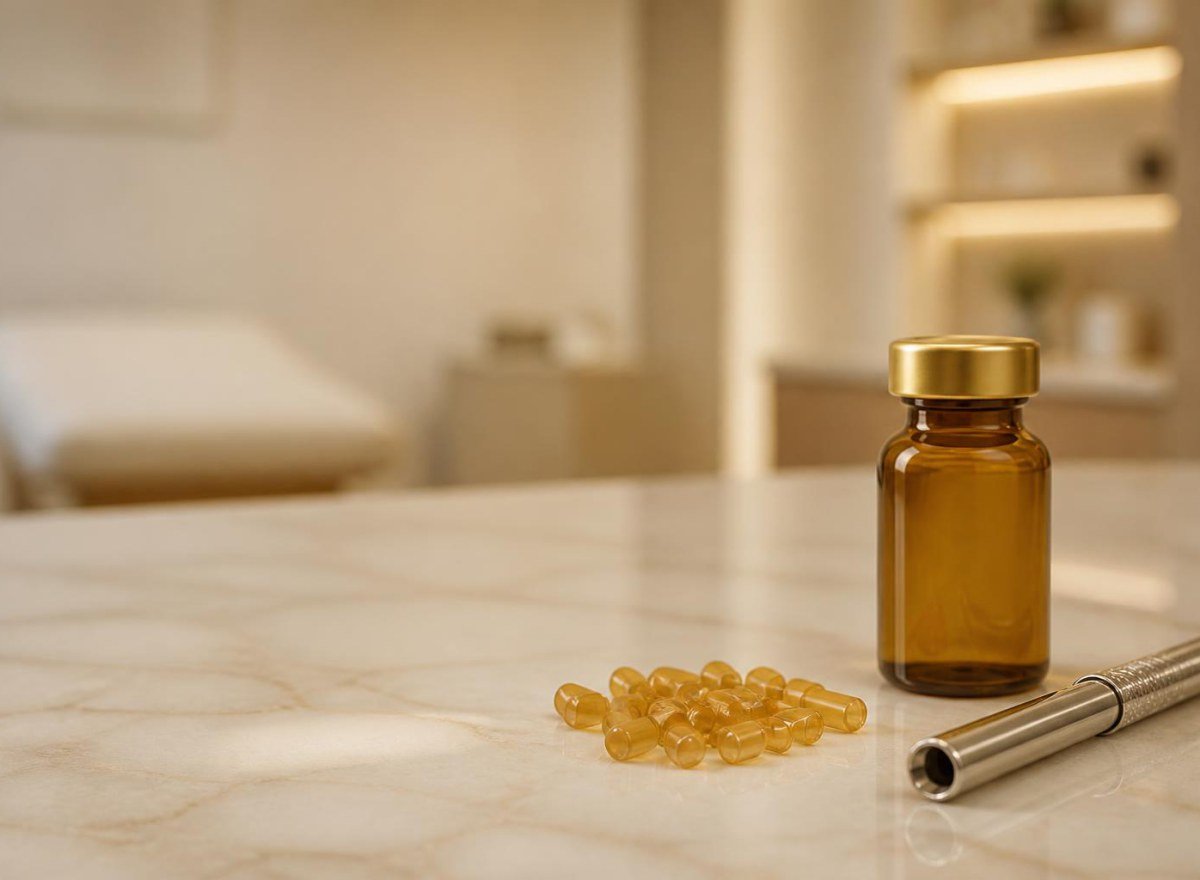
The so-called youth pellet is a subcutaneous implant of bioidentical hormones: pellets the size of a grain of rice placed under the skin, usually at the hip, under local anesthesia and in a few minutes. They are called bioidentical because their molecular structure matches the hormones your body produces, which usually means better tolerance. From there they release the dose steadily over months, without the peaks and troughs of a daily tablet.
- An implant under the skin, under local anesthesia, in a few minutes.
- Sustained release over several months, with no daily doses.
- Hormones structurally identical to those the body produces.
- The dose is calculated for each patient, not standardized.
Who it is for
It has specific indications, and within them it works very well. Above all in women with clear symptoms of hormonal imbalance already confirmed in the laboratory:
That confirmation is the key. The same symptoms — fatigue, insomnia, low mood — can come from the thyroid, from anemia or from depression, and in those cases pellets resolve nothing.
- Hot flashes, night sweats and insomnia in perimenopause and menopause.
- Vaginal dryness and discomfort during intimacy from falling estrogen.
- A marked drop in sexual desire with confirmed low testosterone.
- Persistent fatigue and mood changes with an abnormal hormone profile.
And now what it does not do
It is not a weight-loss treatment. It may help you recover the energy to move more, but it does not burn fat. It does not rejuvenate skin and it replaces nothing aesthetic. It is not for everyone: there are real contraindications, such as a history of hormone-dependent cancer, thrombosis or undiagnosed bleeding. And it is not forever: it is reassessed with blood work and adjusted or withdrawn depending on how your body responds.
What the process looks like
First, a full hormone panel: sex, thyroid and adrenal hormones. With those results in hand we decide whether pellets are what you need, at what dose and in what combination. Placement is quick and done in the office. Afterwards, blood work to verify levels and adjust. If at any point the numbers do not justify it, I say so and we look for another route.
Why I insist so much on the blood test
Because badly indicated hormone therapy is not harmless. And because the marketing around this treatment has turned a serious medical tool into something requested the way one requests a beauty treatment. If you have symptoms that fit, the assessment is worth it. If you do not, pellets will not give you anything you do not already have. Book your hormone assessment and let us look at the data.